 Português
 Русский
 Español
 Francés
 ไทย
ไทย
 Bahasa Indonesia
 Việt
Việt
 Türk
Türk
 Melayu
 العربية

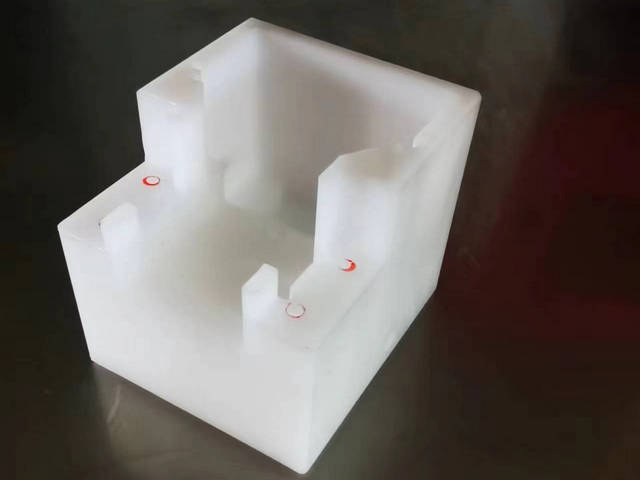
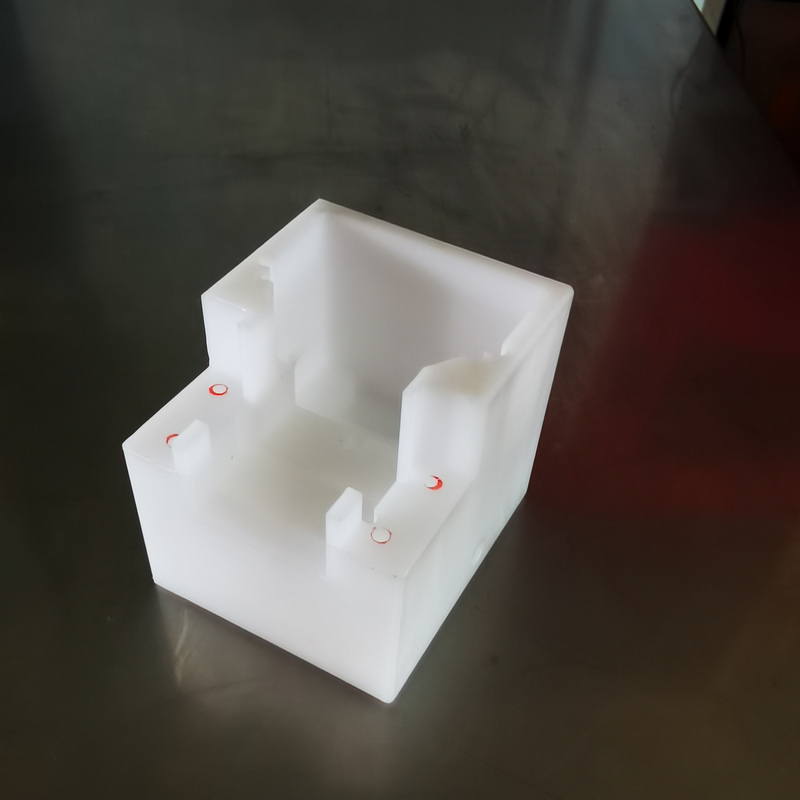
Harness Clamp
Harness clamp is a special tool for testing and assembling wire harness products. It usually consists of components such as a base, fixture, contactor, cutting tool and connector.
The advantage of harness clamp is to improve production efficiency and product quality. It can reduce errors and errors in manual operation and ensure the correct assembly and testing of the wiring harness. The use of wire harness fixtures can reduce the rate of defective products on the production line and improve the reliability and stability of products.
The design and manufacture of harness clamp need to be customized according to the specific application requirements. Different types and specifications of wiring harness products may require different fixture designs.
Harness clamp is a tool used to test and assemble electronic harness. Its functions mainly include the following aspects:
1. Test function: Harness clamp can be used to test the electrical connectivity and functionality of harness. It is able to check whether the wire connection inside the harness is good by connecting the power supply and the test instrument, and verify that the harness can work properly when running.
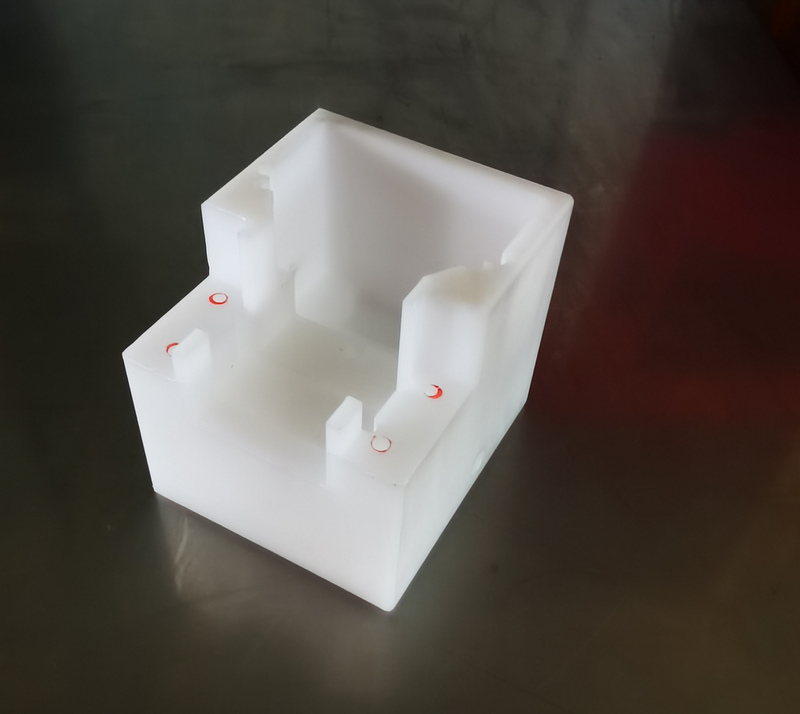
2. Positioning and guiding: Harness tooling usually have the function of positioning and guiding, which can ensure that the harness is correctly installed into the target device or product. They are usually equipped with positioning pins, guide slots, or clamps to align the harness accurately during assembly.
3. Protect wire harness: Harness clamp can not only provide positioning guidance, but also protect wire harness from damage. They usually have spacers, sheathing, or guide structures that prevent the harness from being crushed, bent, or overstretched.
4. Improve production efficiency: The use of harness tooling can improve the assembly and testing efficiency of harness. They help operators connect and test harnesses quickly and accurately, saving time and labor costs.
5. Standardized production: Harness clamp can be customized according to specific designs and requirements, making the manufacturing process of harness more standardized. This ensures that the quality and performance of each harness is at a consistent level, reducing quality issues and bad products.


