 Português
 Русский
 Español
 Francés
 ไทย
ไทย
 Bahasa Indonesia
 Việt
Việt
 Türk
Türk
 Melayu
 العربية

Environmental Advantages of Electrostatic Powder Coating Equipment
In the field of industrial coating, electrostatic powder coating technology is gradually replacing the traditional solvent-based coating process as a benchmark solution for green manufacturing due to its remarkable environmental protection characteristics. The technology evenly sprays dry powder coating onto the surface of the workpiece through the electrostatic adsorption principle, and forms a dense coating through high temperature curing, and its environmental advantages run through the complete life cycle of material, process to waste disposal.
Cutting VOCs emission from the source, cracking the air pollution control problem. The content of volatile organic compounds (VOCs) in traditional solvent-based coatings is usually as high as 60% or more, and a large number of benzene, toluene and other hazardous substances escape during the spraying process, which has become an important causative factor of haze and ozone pollution. The paint used in electrostatic powder coating is 100% solid powder, which does not contain any organic solvents, eliminating VOCs emissions from the root.
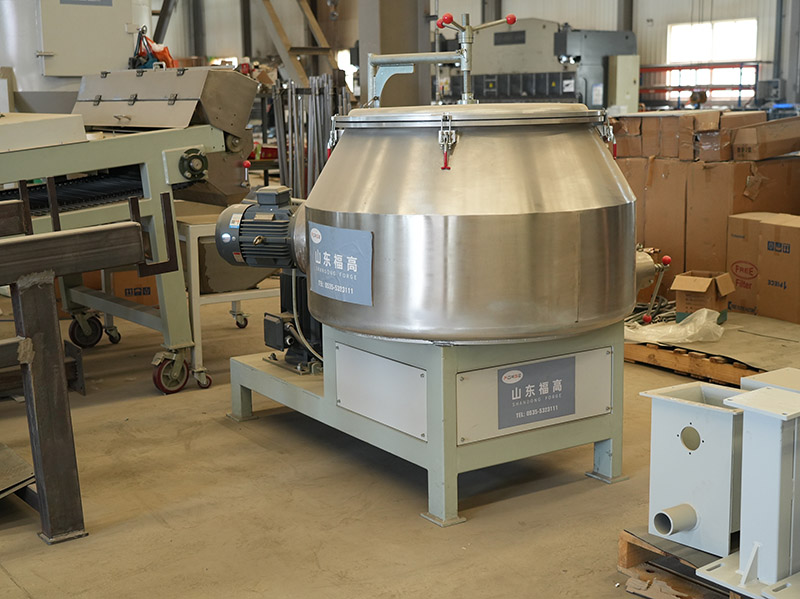
High-efficiency recycling system achieves near-zero waste emission and breaks through the resource waste dilemma. The utilisation rate of traditional wet spraying paint is generally lower than 50%, and the paint mist waste residue formed by oversprayed paint requires high hazardous waste treatment costs. The electrostatic powder coating equipment is equipped with a closed-loop recycling system, which can recover more than 98% of the unattached powder through the combination of cyclone separation and cartridge filtration technology, and reuse it directly to the powder supply system after screening.
Low-temperature curing and energy-saving design reduce the carbon footprint of the whole process. The curing temperature of powder coating usually requires 180-200°C, but the low-temperature curing powder (120-140°C) developed in recent years with infrared fast curing technology further reduces energy consumption by 30%.
Elimination of heavy metals and toxic substances, and construction of environmental protection system for the whole life cycle of products. Powder coating eliminates heavy metals such as chromium and lead, which are commonly found in traditional coatings, and the curing process does not release formaldehyde, isocyanates and other toxic substances. In sensitive areas such as medical devices and children's toys, powder coating has passed ISO 10993 biocompatibility certification, and its safety is significantly better than that of liquid coatings. More notably, the durability advantage of powder coated parts (weathering resistance up to 10 years or more) reduces the need for maintenance and recoating during product use.
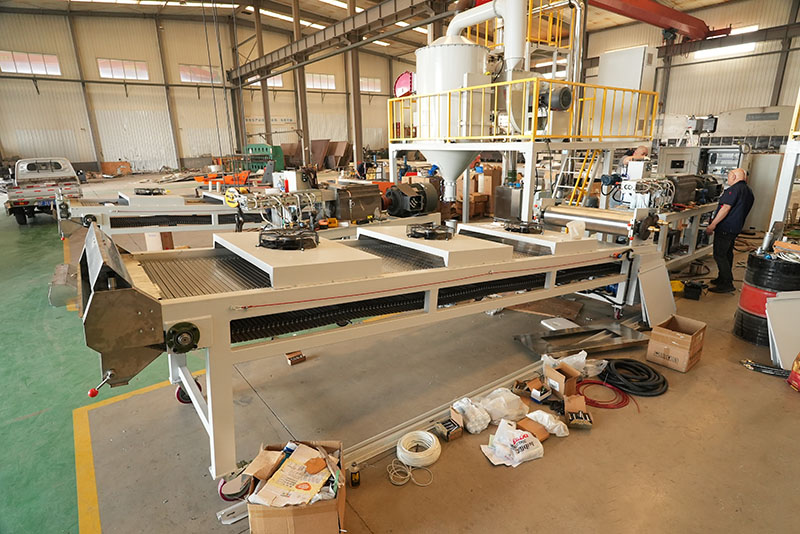
Promote the green transformation of the industry and create new value for the circular economy. The environmental benefits of powder coating not only stay at the level of pollution prevention and control, but also give rise to new business models. For example, the third-party coating service provider through the ‘centralised spraying + shared recycling’ model for small and medium-sized enterprises to provide end-to-end coating services, so that individual enterprises do not need to build their own spraying line, not only to reduce the initial investment, but also to avoid decentralised emissions regulatory challenges.


