 Português
 Русский
 Español
 Francés
 ไทย
ไทย
 Bahasa Indonesia
 Việt
Việt
 Türk
Türk
 Melayu
 العربية

How to clean powder production equipment? A standardised process to avoid cross contamination
During powder production, the cleaning and maintenance of equipment not only affects product quality, but is also directly related to production safety and compliance. Residual powder can lead to cross-contamination, batch-to-batch mixing or microbial growth. Especially in the pharmaceutical, food and high-end materials industries, cleaning processes must be strictly standardised. Below you will find details of how to clean powder production equipment and standardised processes to avoid cross contamination.
一、Preparation before cleaning
After the end of production, first of all, make sure that the equipment completely stops running and cut off the power or gas source to avoid accidents during the cleaning process. Use compressed air or hoover to remove the residual powder on the surface of the equipment and in the pipeline, and pay attention to avoid direct rinsing with water to prevent certain powders from caking in moisture. For removable parts, such as screen mesh, stirring paddle, conveying pipeline, etc., they should be carefully disassembled and cleaned individually to ensure that there is no dead-end residue.
二、Cleaning Methods and Steps
1. Dry cleaning
For powders that are easy to raise dust or react easily with water (e.g. metal powders, certain chemicals), dry cleaning is preferred. Use special brushes, vacuuming equipment or compressed air to remove powder residues inside the equipment, and wipe with a dust-free cloth if necessary. After dry cleaning, check the inside walls, crevices and other hidden parts of the equipment to ensure that there is no powder accumulation.
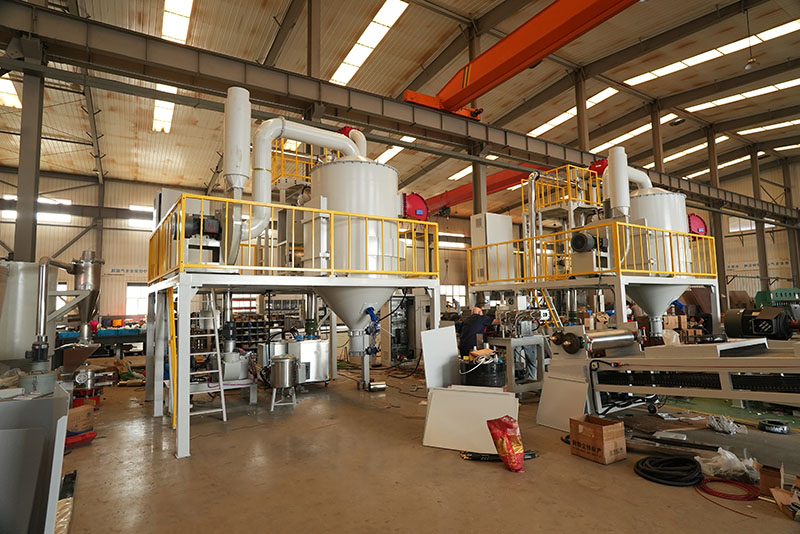
2. Wet cleaning
Suitable for most food and pharmaceutical grade powder equipment. Use cleaners that meet industry standards (e.g. neutral pH cleaning solution) with a high pressure water gun or spray system to rinse the inside of the equipment. Focus on cleaning easy residue areas such as stirring tanks, mixing chambers, conveyor belts, etc., and use CIP (Cleaning in Place) system for automated cleaning if necessary. After cleaning, rinse with pure water or deionised water to avoid cleaning agent residue.
3. Disinfection and drying
In the food and pharmaceutical industries, disinfection is required after cleaning. This can be done by 75% alcohol spray, steam sterilisation or UV irradiation. After disinfection is completed, the equipment is blown dry with clean compressed air or placed in a drying oven to prevent the humid environment from breeding bacteria or causing equipment rust.
三、Key measures to avoid cross-contamination
1. Dedicated tools and zone management
Dedicated cleaning tools (e.g. different coloured brushes, containers) should be used for different product lines and cleaning areas should be strictly differentiated. Production equipment for highly active or highly allergenic powders (e.g. antibiotics, nanomaterials) is recommended to operate in separate cleaning rooms to avoid the risk of cross-contamination.
2. Cleaning verification and record
After each cleaning, visual inspection is required, and if necessary, ATP tester or swab sampling is used to verify the cleaning effect. Establish complete cleaning records, including cleaning time, method, responsible person and test results, to ensure compliance with GMP or ISO quality management system requirements.
3. Staff training and standardised operation
Regularly train operators on the cleaning process, emphasising the hazards of cross-contamination. Develop graphic versions of SOPs (Standard Operating Procedures) to be posted near equipment to ensure that each step is implemented.
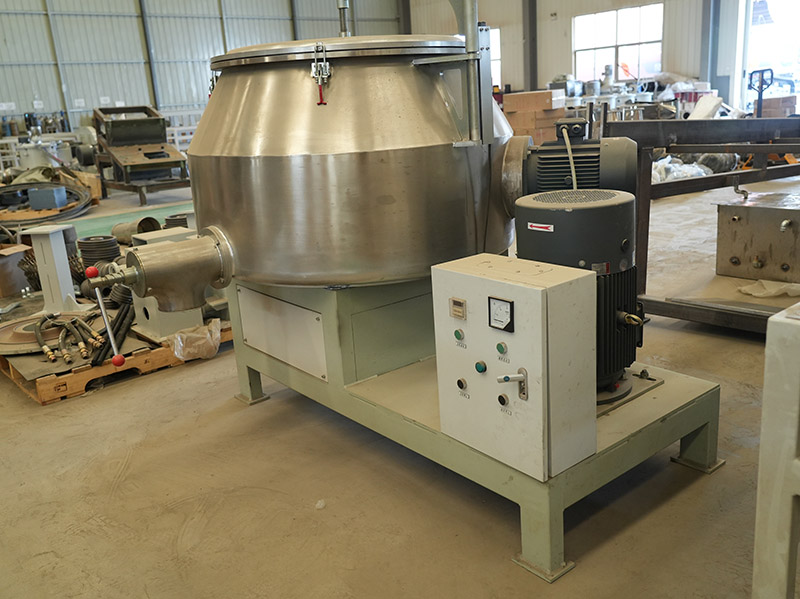
四、The cleaning points of different industries
1. Pharmaceutical industry: need to comply with GMP standards, cleaning agents must be non-toxic, no residue, cleaning needs to be done after the microbial limit test.
2. Food industry: focus on grease, sugar and other easily corruptible residues, after cleaning to ensure that no smell and no taste.
3. Chemical/metal powder: be alert to the risk of dust explosion, anti-static is required when cleaning and avoid mixing different metal powders.
五、Summary
An effective cleaning process is the cornerstone of safe powder production. The risk of cross contamination can be minimised through a combination of dry/wet cleaning, strict disinfection, special tool management and cleaning verification. Enterprises should develop and continuously optimise cleaning SOPs according to their own product characteristics to ensure the long-term stable operation of equipment while meeting industry regulatory requirements.


