 Português
 Русский
 Español
 Francés
 ไทย
ไทย
 Bahasa Indonesia
 Việt
Việt
 Türk
Türk
 Melayu
 العربية

Powder equipment how to ensure production safety? Full analysis of operation points
In the chemical, metallurgical, food and other industries, powder equipment undertakes important tasks such as raw material processing, mixing and conveying. However, the powder production process there are dust explosion, mechanical injury, equipment failure and other safety hazards. How to ensure the safe operation of powder equipment? The following from a number of key aspects for your detailed analysis.
First, equipment design: building a safety defence from the source
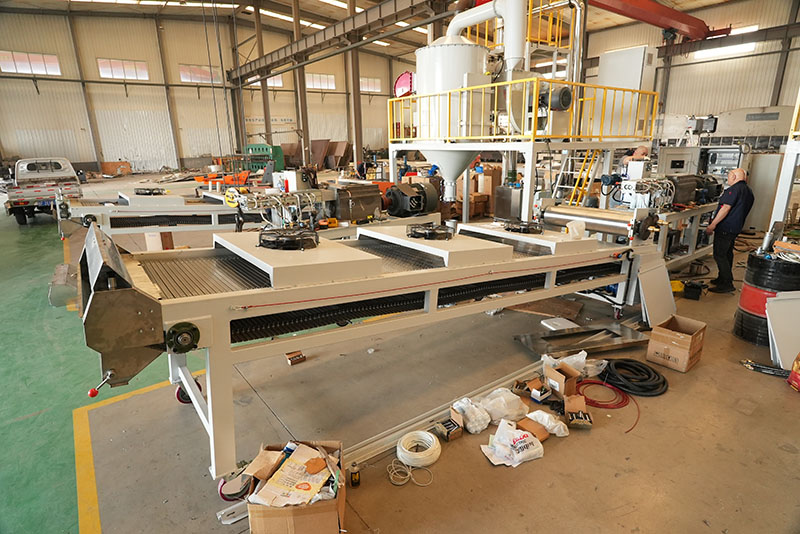
The safety performance of powder equipment, the foundation has been laid in the design stage. First of all, for flammable and explosive powder (such as magnesium powder, coal powder), the equipment needs to use explosion-proof design. For example, the use of explosion-proof motors and the installation of explosion-proof film, when the internal pressure is too high, the explosion-proof film will automatically rupture to release the pressure, preventing the expansion of the explosion; and the use of anti-static materials inside the equipment to avoid static electricity build-up, triggering the combustion of dust. Secondly, the key components need to be set up protective devices, such as the rotating parts of the crusher with protective cover to prevent people from being involved in the limbs; conveying pipelines are set up to prevent blockage of the alarm device, to avoid the accumulation of materials caused by safety accidents. In addition, airtight design is also a top priority, through the fully enclosed production system to reduce dust spillage, not only to protect the health of operators, but also reduce the risk of dust explosion.
Second, standardised operation: strictly abide by the red line of safety
Standardised operation is the core of production safety. Operators must be licensed to work, and after systematic training, familiar with the operating procedures of the equipment and emergency treatment methods. Before starting the machine, you need to carefully check whether the equipment components are tight, lubrication is in place, whether the protective device is intact; during operation, it is strictly prohibited to dismantle the protective cover without authorisation, open the access port, or use their hands to directly clean up the blocked material. For example, in the use of ball mills, must ensure that the amount of grinding media filling requirements, to avoid damage to the equipment due to excessive load; operation of the air mill, need to strictly control the feed rate and air pressure, to prevent overpressure triggered equipment failure. At the same time, the operator should wear a good dust mask, goggles, overalls and other personal protective equipment to reduce the risk of dust inhalation and mechanical injury.
Third, routine maintenance: eliminate potential hazards
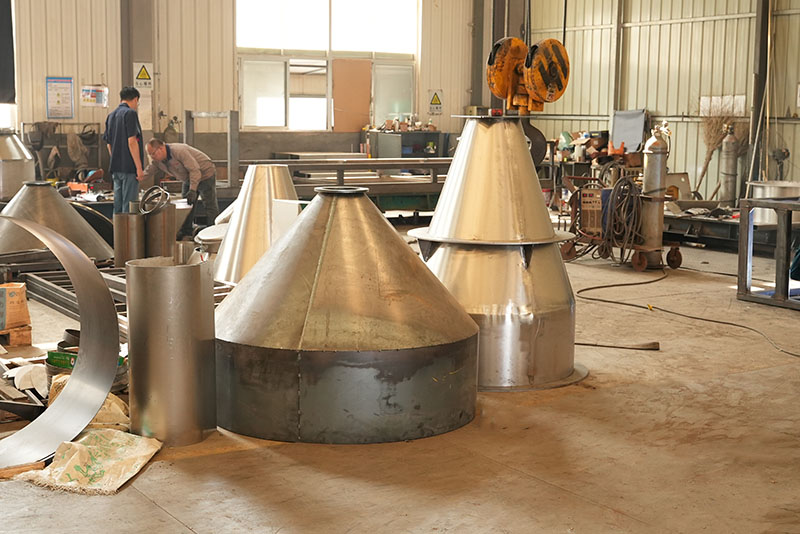
Regular maintenance is an important means to ensure the safe operation of the equipment. The equipment should be inspected according to the maintenance cycle table, focusing on the wear and tear of the transmission parts, the aging of the seals, and the insulation of the electrical wiring, etc. For example, the belt tensioning should be checked every week. For example, check the tension and wear of the conveyor belt every week and replace aged parts in time; conduct resistance tests on the equipment's grounding device every month to ensure good grounding. In addition, it is crucial to clean up the residual dust inside the equipment. Explosion-proof hoovers or nitrogen gas blowing can be used to avoid the accumulation of dust to form an explosion potential hazard. At the same time, the establishment of equipment operation files, record the time and content of each maintenance, overhaul, easy to track the status of the equipment, and find potential problems in advance.
Fourth, emergency management: enhance the ability to ensure safety
Enterprises need to develop a comprehensive emergency plan, and regularly organise drills. For dust explosion, mechanical injury and other emergencies, clear emergency disposal process and personnel responsibilities. For example, once a dust explosion occurs, the power supply should be cut off immediately, the fire extinguishing system should be activated, and the orderly evacuation of personnel should be organised; emergency rescue material reserve points should be set up, equipped with fire extinguishers, first aid kits, respirators and other equipment, to ensure that a quick response can be made in case of emergency.
The safe operation of powder equipment depends on scientific design, standardised operation, meticulous maintenance and perfect emergency management. Only when each link is strictly controlled, can we minimise the risk and protect the production safety and personnel health.


