 Português
 Русский
 Español
 Francés
 ไทย
ไทย
 Bahasa Indonesia
 Việt
Việt
 Türk
Türk
 Melayu
 العربية

Powder Production Equipment Selection Guide
The selection of powder manufacturing equipment is a critical step in ensuring production efficiency, product quality and cost effectiveness. A number of factors need to be taken into consideration when selecting the right equipment, and the following guide will help you make an informed decision.
Firstly, a clear definition of production requirements is the basis for selection. Different types of powders, such as metal powders, ceramic powders, polymer powders, etc., have different requirements for equipment. Therefore, you need to choose the right type of equipment according to the physicochemical properties of the target powder. At the same time, the particle size of the powder is also an important consideration. Different applications have different particle size requirements, and the crushing capacity and classification accuracy of the equipment must meet these needs. In addition, the output requirements and budget constraints are also factors that cannot be ignored, the production capacity of the equipment needs to match your output requirements, while choosing the right model and configuration within the budget.
Secondly, it is vital to understand the different types of powder production equipment. Mechanical pulverisation uses mechanical force to pulverise the raw material into a powder and is suitable for most materials, but may introduce impurities. Physical vapour deposition physically vaporises the raw material and deposits it into a powder, which is suitable for high purity, nanoscale powders, but is more costly. Chemical vapour deposition converts raw materials into powder through chemical reaction, suitable for specific composition and structure of the powder, but the process is more complicated. Spray drying method atomises and dries the solution or suspension into powder, which is suitable for the preparation of spherical, well-flowing powder, but limited by the nature of the raw material.
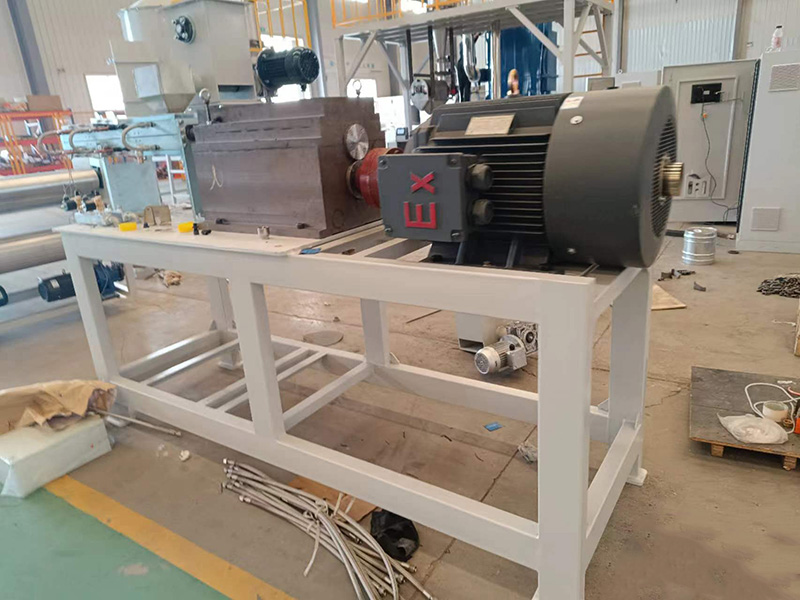
When evaluating equipment performance, comminution efficiency, classification accuracy, degree of automation and reliability are aspects to focus on. Comminution efficiency has a direct impact on production capacity and energy consumption, and parameters such as power, speed and chamber structure of the equipment need to be carefully considered. Classification accuracy determines the uniformity of powder size, equipment classification principle, classification efficiency, particle size distribution and other indicators must meet the requirements. Equipment with a high degree of automation can improve production efficiency and reduce labour costs, so the advanced nature of the control system and the ease of operation is also an important reference for selection. In addition, the reliability of the equipment directly affects the production stability and maintenance costs, structural design, material selection, manufacturing process and other aspects need to be carefully evaluated.
In addition to the performance of the equipment itself, other factors such as after-sales service, equipment size and environmental requirements also need to be taken into consideration. Choosing a supplier that provides perfect after-sales service will provide technical support and guarantee the supply of spare parts to ensure the long-term stable operation of the equipment. Equipment installation space and transport conditions also need to be planned in advance, choose the right size of the equipment can avoid unnecessary trouble. At the same time, environmental protection requirements are becoming increasingly stringent, the choice of low noise, low dust emission equipment not only meets the regulatory requirements, but also help to enhance the corporate image.
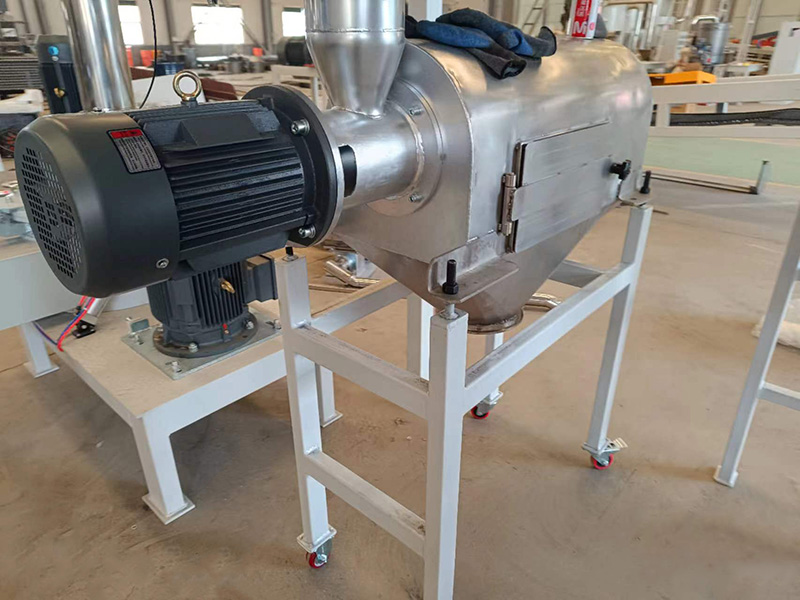
Finally, field visits and comparison is an indispensable part of the selection process. Visit the equipment manufacturer, you can intuitively understand the production process and quality control level of the equipment. Inspection of the equipment user site, access to the actual operation of the equipment and user feedback, to provide a strong basis for decision-making. Comparison of equipment performance, price, service and other aspects of different suppliers can help you choose the most cost-effective equipment for your production escort.
In short, powder production equipment selection is a complex but vital process. By clarifying the production requirements, understanding the type of equipment, evaluating the performance of the equipment, considering other factors, as well as on-site inspections and comparisons, you can choose the most suitable equipment to provide a solid guarantee for the productivity and product quality of your enterprise.


