 Português
 Русский
 Español
 Francés
 ไทย
ไทย
 Bahasa Indonesia
 Việt
Việt
 Türk
Türk
 Melayu
 العربية

Maintenance programme for powder production equipment
A scientific and reasonable maintenance programme is the key to ensure the stable operation and prolong the service life of powder production equipment. From daily inspection, preventive maintenance to fault emergency treatment, a systematic maintenance system needs to be built to ensure efficient and safe operation of the equipment.
Daily maintenance is the basic line of defence. Operators need to check the key parts of the equipment on a daily basis, such as the lubrication status of the transmission parts, the integrity of the sealing device, the connection of the electrical wiring and so on. By observing the vibration, noise and temperature changes in the operation of the equipment, and timely detection of signs of abnormality. For wearing parts, such as crusher blades, sieve screen, elbow parts of the transport pipeline, need to regularly check the degree of wear, once the wear limit is reached in time to replace, to avoid chain failure caused by the failure of components. At the same time, keep the equipment surface and internal cleaning, timely cleaning of residual powder, to prevent the accumulation of powder leading to equipment clogging or corrosion.
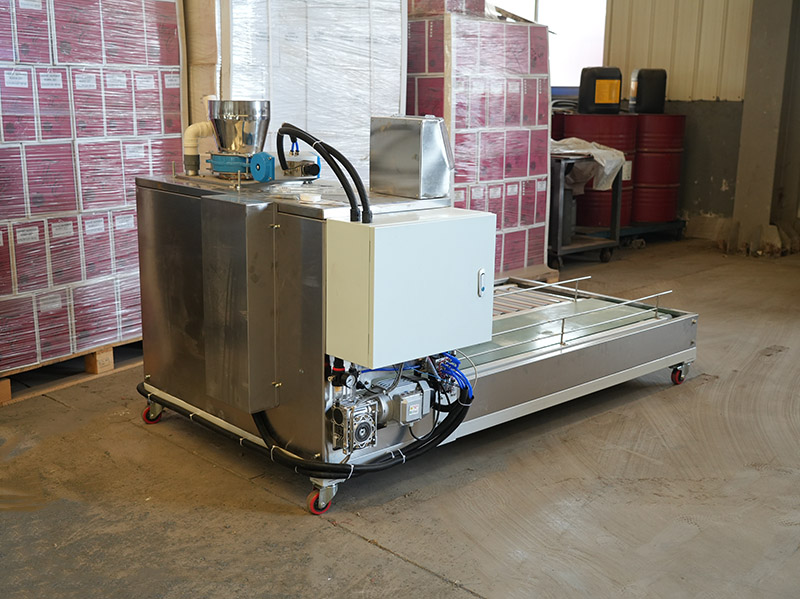
Preventive maintenance is a proactive means of protection. According to the frequency of equipment use, working conditions and manufacturer's recommendations, make a detailed regular maintenance plan. For bearings, gearboxes and other core transmission components, replace the lubricant according to the cycle, clean the lubrication system to prevent excessive wear and tear of components due to poor lubrication; the electrical control system for dust removal, tighten the terminals, check the precision of sensors and controllers, to ensure that the accuracy of the operating parameters of the equipment. In addition, regular performance testing of equipment, such as crushing granularity testing of the crusher, mixing uniformity verification of the mixer, through data comparison to analyse the trend of changes in equipment performance, and take adjustment measures in advance.
For different types of powder production equipment, need to develop differentiated maintenance strategies. For high-temperature equipment such as air flow pulveriser, spray dryer, etc., we should focus on checking the heating element, temperature control system and pipeline insulation to prevent local overheating from triggering a fire or equipment damage; for vibrating screens, ball mills and other vibration equipment, we should strengthen the checking of foundation fixings to prevent the bolts from loosening and the structure from deformation due to long-term vibration. As for conveying equipment, such as screw conveyor and pneumatic conveying system, we need to pay attention to the wear and tear of pipeline, airtightness and reliability of unloading valve's action, to avoid powder leakage or decline in conveying efficiency.
It is crucial to establish a perfect spare parts management system. According to the equipment operation rules and historical maintenance data, reasonably stock common spare parts to ensure that they can be quickly replaced when failures occur. At the same time, the establishment of spare parts use account, record spare parts replacement time, quantity and supplier information, to facilitate the analysis of spare parts consumption pattern, optimise inventory management. In addition, professional training for maintenance personnel to improve their knowledge of equipment principles, fault diagnosis and repair skills, and ensure the professional level of the maintenance team through regular assessment.
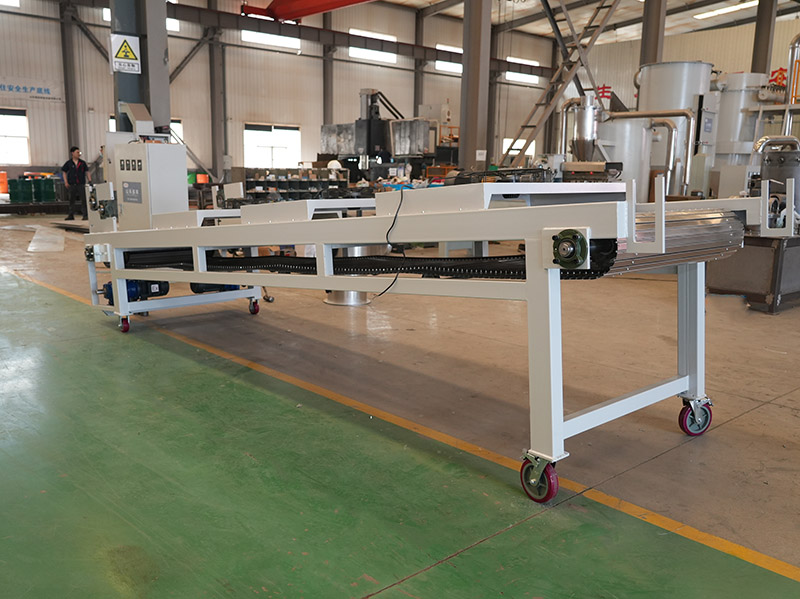
When equipment failure occurs, it is necessary to establish an efficient emergency response mechanism. Formulate a standardised fault handling process and clarify the responsibilities of each position to ensure that the cause of the fault is located and repaired in the shortest possible time. For major failures, technical support co-operation can be established with the equipment manufacturer or professional maintenance team, with its professional experience to quickly solve the problem and reduce the production losses caused by downtime.
Through the above all-round, multi-level maintenance programme, not only can reduce the failure rate of powder production equipment, improve the comprehensive efficiency of the equipment, but also effectively control the maintenance costs, to ensure the stable quality of powder products, and provide a solid guarantee for the enterprise's continuous production.


